
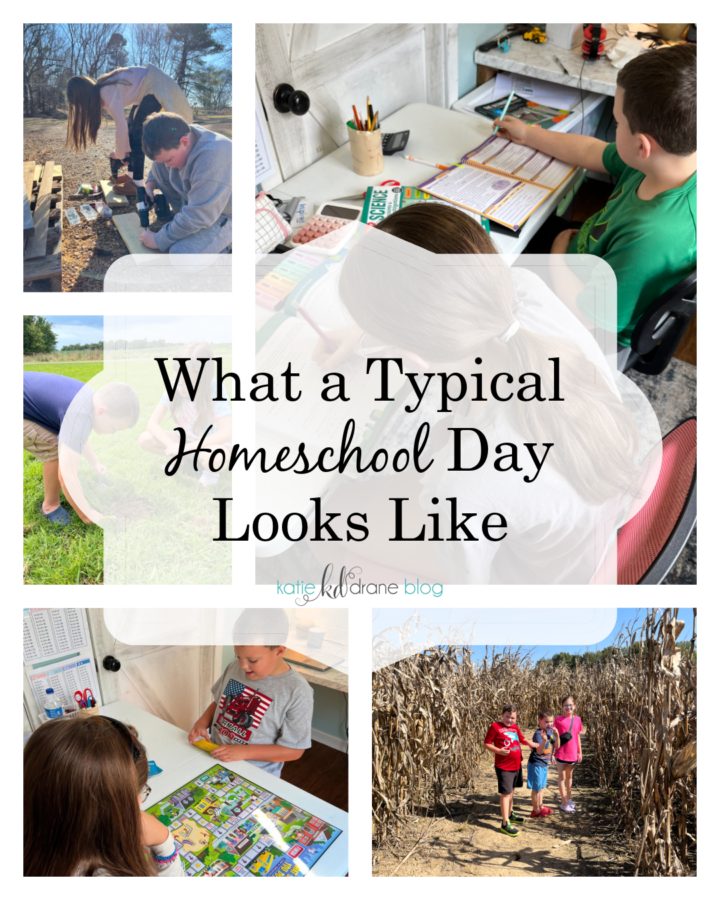
What I love about homeschool is that it allows for educational flexibility and personalization that can’t be found in public school. It’s a privilege, it’s been wonderful for my kids and with that comes responsibility. Before looking up homeschool schedules, curriculum, co-ops, or homeschool styles, I recommend visiting the HSLDA website to find out what the homeschool laws are for your state. Here’s what Kentucky requires me to do:
- At least least 1,062 hours of instruction over 170 days per year. (For convenience, I follow our county’s public school schedule. Some families do year-round school, others create their own schedule.)
- Teach reading, writing, spelling, grammar, history, mathematics, science, and civics in the English language;
- Keep attendance reports and report cards in a similar manner to our local public schools.
With that out of the way, let’s get to the question that every new homeschooling parent wants to know–what does a typical day look like? Honestly, it depends on the day, the week, and the season. It depends on what style of homeschooling you choose, the size of your family, the age of your kids, and other factors.
This is our third year of homeschooling. We don’t follow any specific pedagogy, we use a mix of different curricula, and we have 3 kids–7th grade, 5th grade (autism level 1 with some accommodations), and 4th grade (autism level 3, advanced needs). Here’s what the average day looks like for us. To learn how I work with Luke, who is Level 3 autistic and nonverbal, click here.
Our Daily Schedule
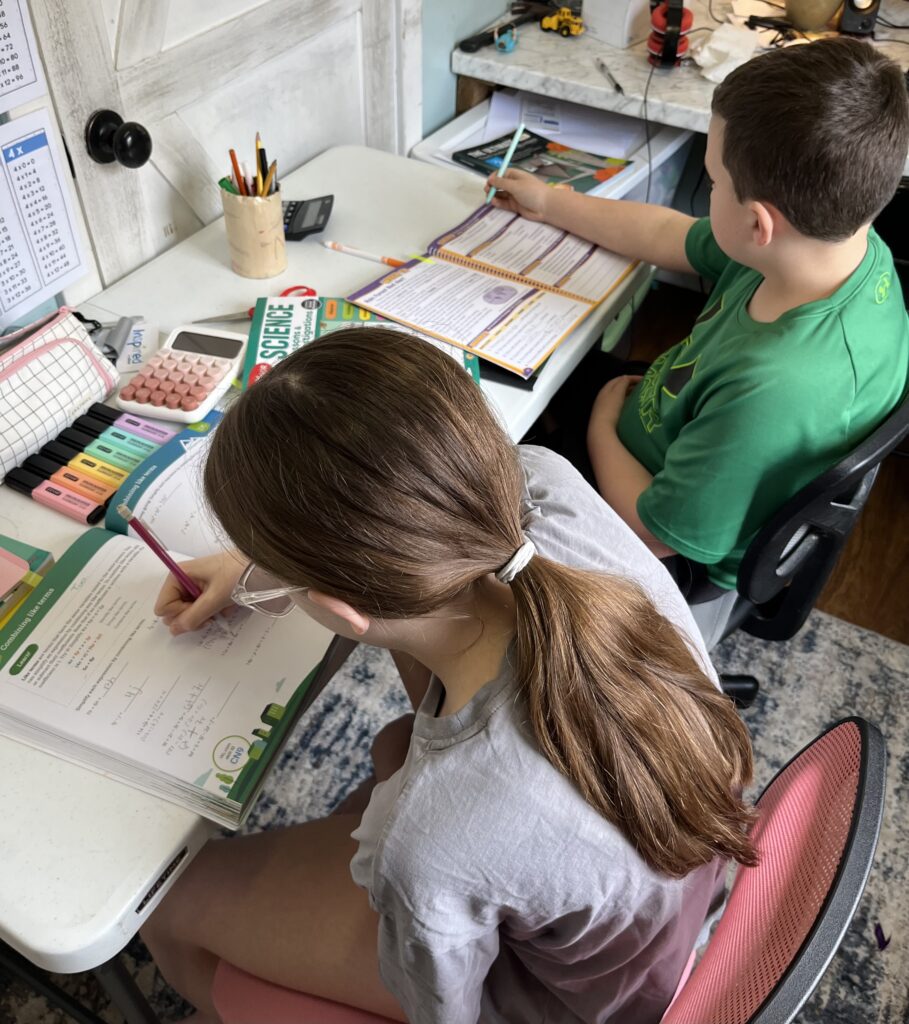
Desk work: 1-2 hours
This is the time when the kids are physically sitting at the table and learning their core subjects. There are tons of quality homeschool curricula available, both pen-and-paper and online. Homeschool.com has a free curriculum finder that was helpful for me when I was getting started. The great news–if something isn’t working for your child, you can pivot. The goal is mastery, not advancement. So it takes as long as it takes. Here’s what we used last year.
Why doesn’t it take longer to get through all of these subjects?
Because I’m not managing a class of 25-30 kids. Without all of the the distractions, behaviors, moving around, bathroom breaks and disruptions, it’s pretty easy to get through a day’s worth of content in 1-2 hours. Let me tell you, this was the HARDEST adjustment for me to make in my first year. To me school=desk work. That’s not true for homeschool. We’re not restricted to a classroom so learning is happening all the time, everywhere.
Board Games
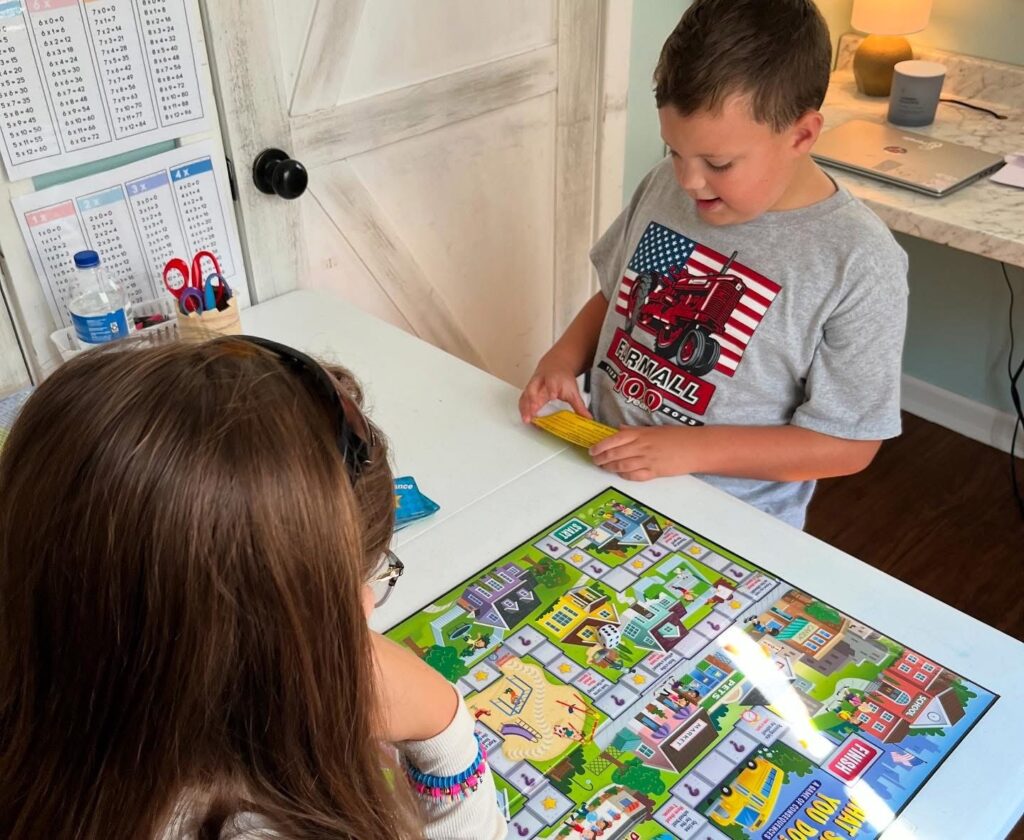
Board games are a great way to support the concepts taught during desk work time. They also help kids learn turn-taking, patience, cooperation, problem-solving, strategizing and help with memory and focus. This one is a game about consequences called What Should You Do from Lakeshore Learning.
Specials: 30 min-1 hour
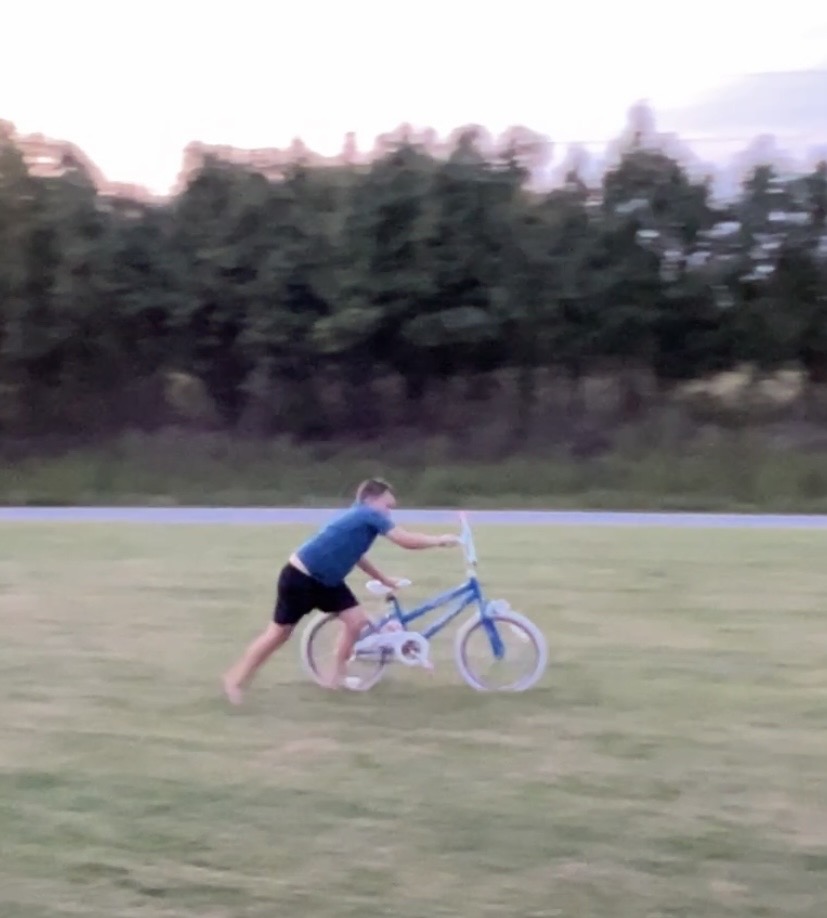
Specials aren’t required by law but they’re important so we make room. That includes PE, art, music, drama, media arts, computers, etc… Sometimes the kids want to do this together, other times they work independently. Sometimes a science lesson about friction using a water bottle and a bike wheel turns into a PE activity. There’s a lot of overlap in homeschool.
Hands-on Learning: varies
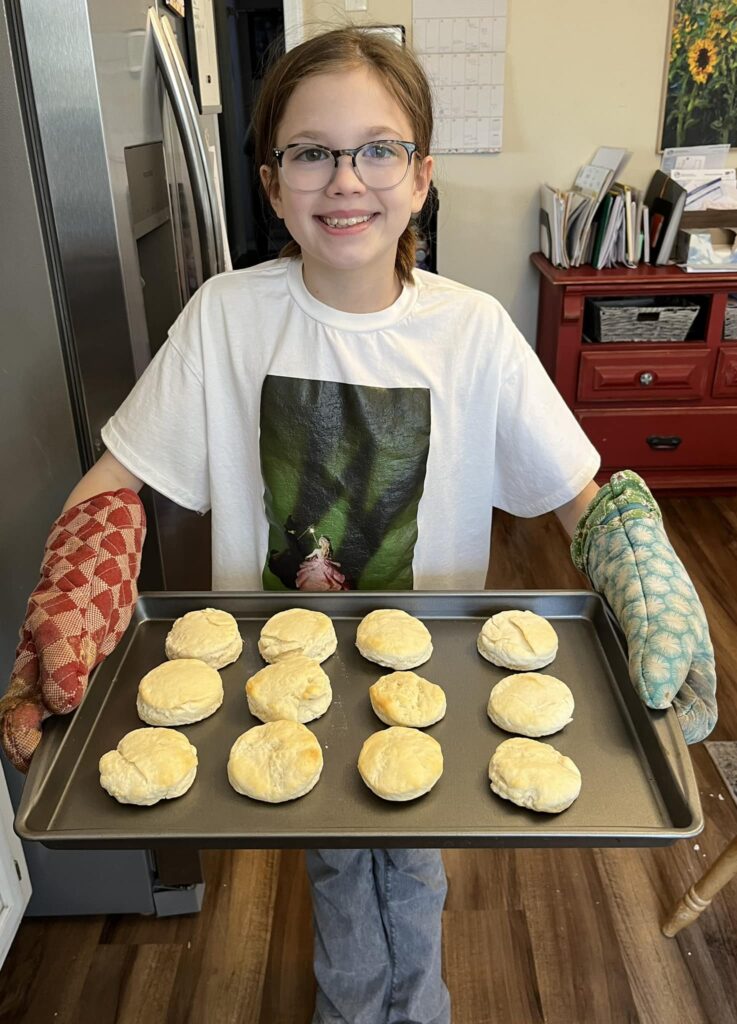
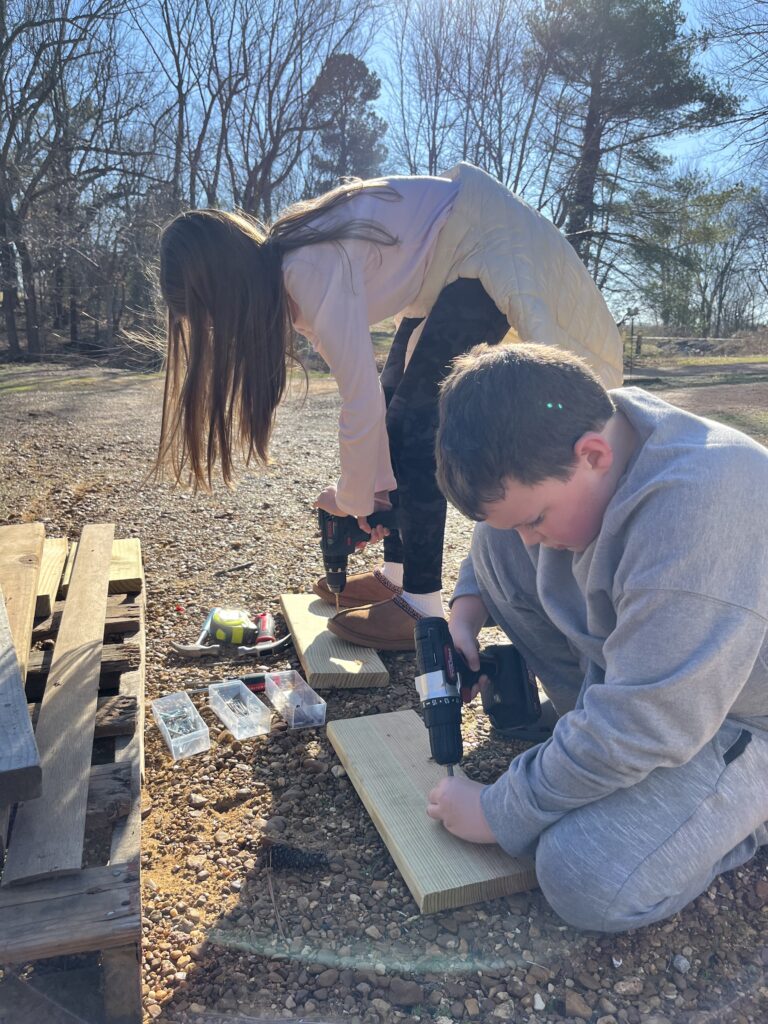
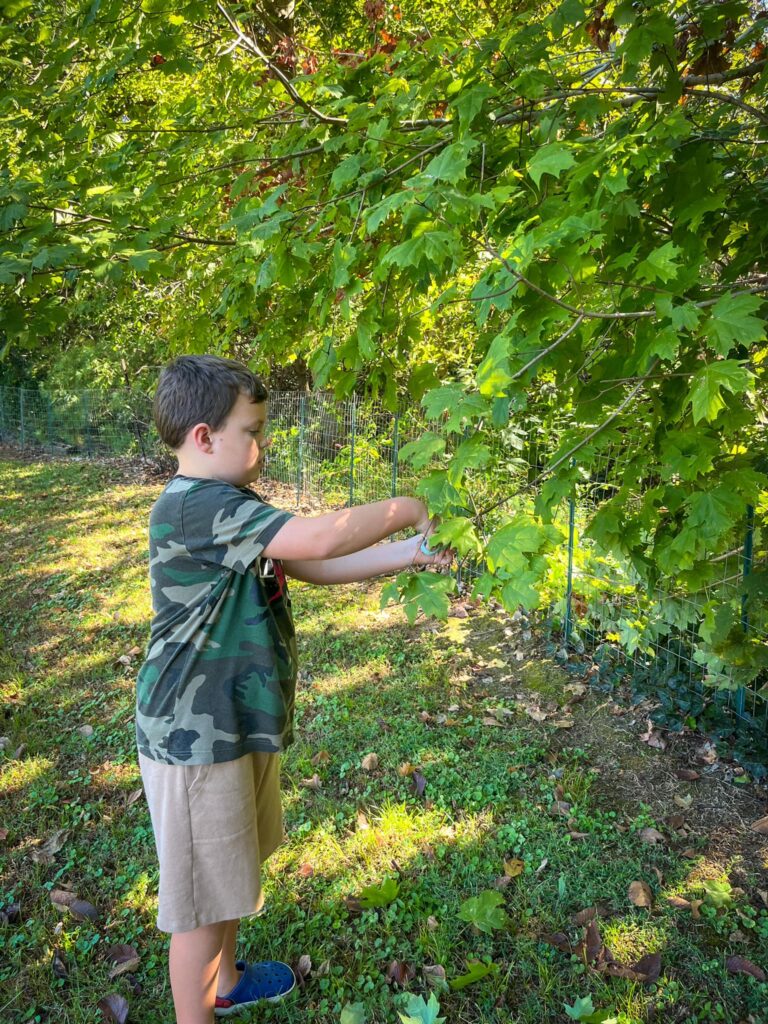
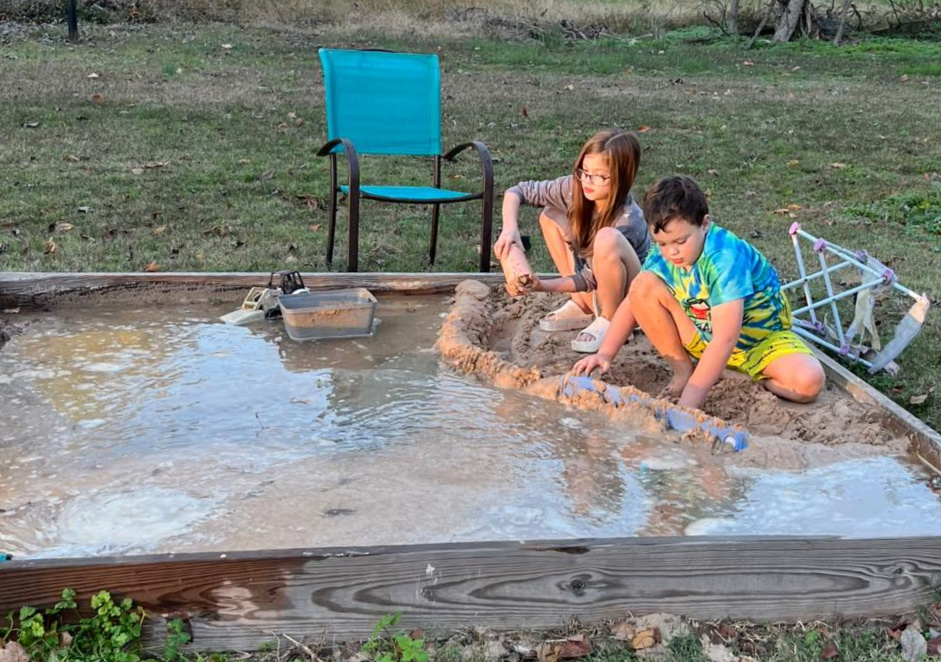
My favorite part of homeschooling is the amount of hands-on learning we get to do. We spend the most time learning this way. It brings the lessons to life and it’s fun for me too! This includes everything from science, agriculture, carpentry, conservation, civics, cooking, life skills, math, you name it.
Instead of doing a worksheet about acid-base neutralization, we’re going to make some buttermilk biscuits and see it in action.
Instead of learning about the perimeter of a box in a math workbook, we’re going to learn how to build a box ourselves and how to measure it’s perimeter.
Instead of reading about trees in our science book, we’re going to identify the trees on our property and learn how to take care of them.
Instead of doing a slide presentation about earth dams, let’s flood the sandbox and see if they can engineer a dam that holds.
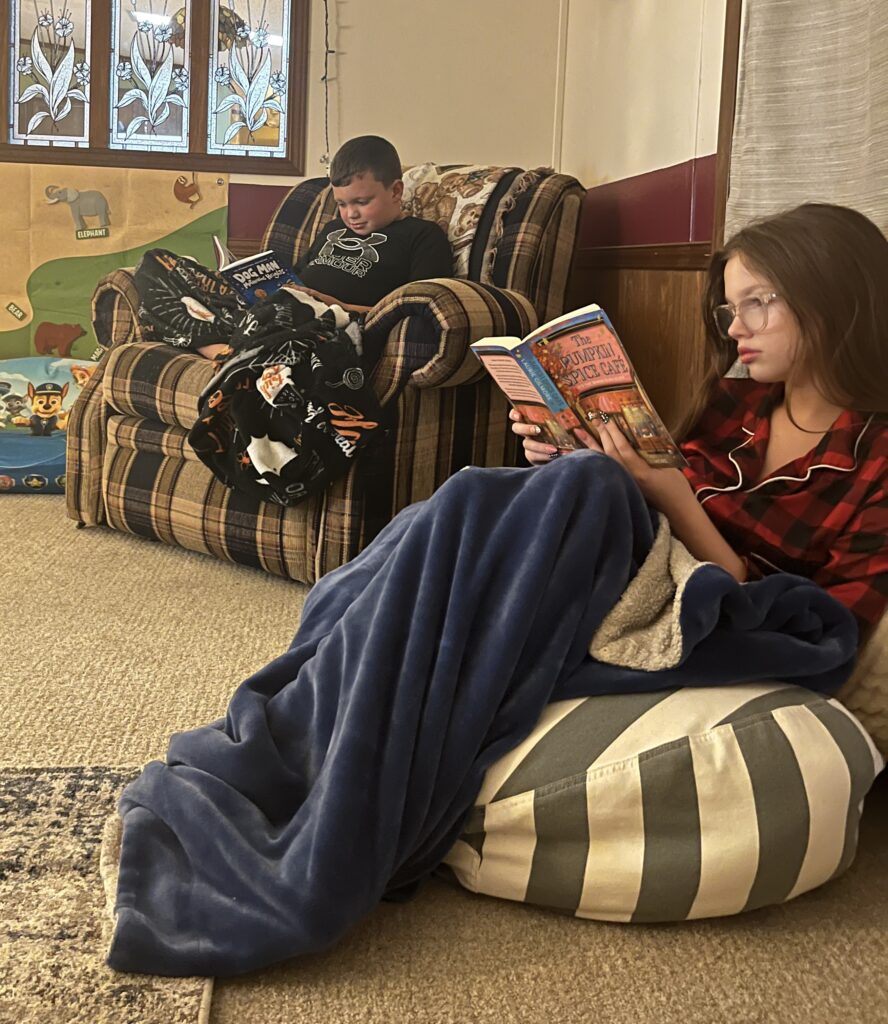
Reading: 20 minutes-1 hour
This is a separate category for a reason. After doing Accelerated Reader (AR) in elementary school, Jack and Emmie were entering 3rd and 5th grade and already burnt out on reading. Neither of them knew what they enjoyed reading, they just knew which books were the quickest to read with the easiest quizzes that would give them the most AR points. It took several months to work through this.
To overcome it, I let them both pick out books that interested them, no matter the grade level, and we started reading them aloud.(Check out the book The Read Aloud Family, it’s a good one.) No quiz, no points, no reward at the end. Just reading for the sake of reading. By the end of the first year, they were back to enjoying reading again. Now it’s part of our daily routine and I even take time out to read. Literacy is so important, especially now.
Individual learning: varies
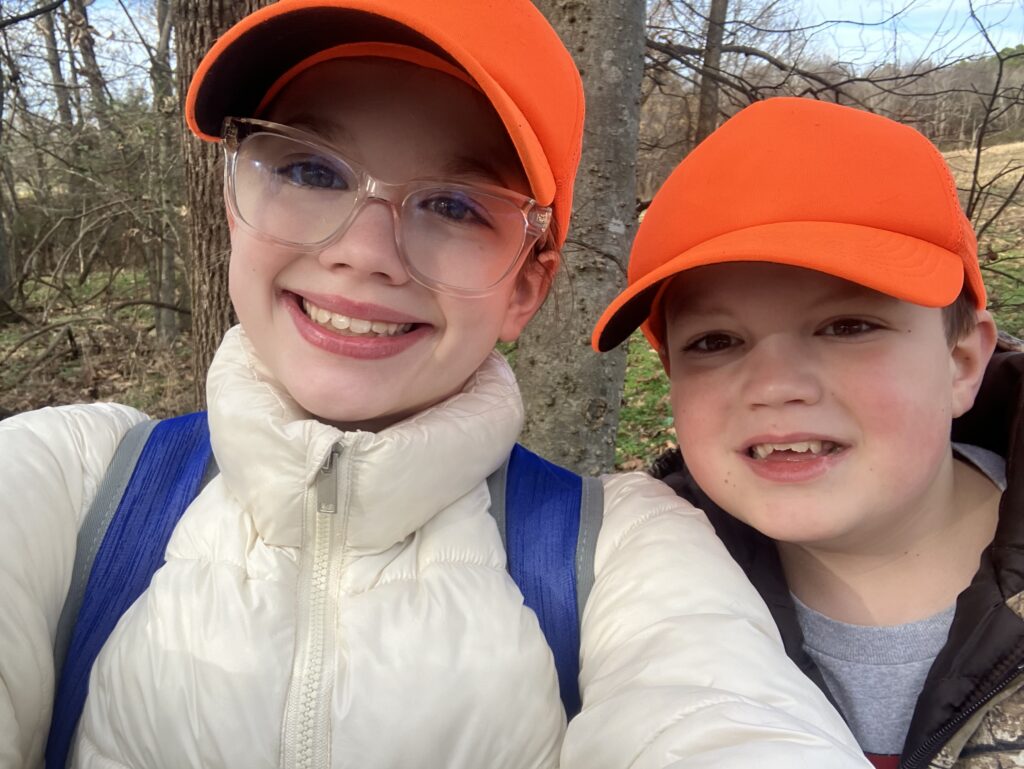
Public school taught me to believe that learning requires a receipt. That if a completed worksheet doesn’t come home in a folder, nothing was learned. While evidence of progress is important, it doesn’t have to be limited to a piece of paper. The truth is, kids are learning CONSTANTLY, especially through play and self-directed activities. Back in January, Jack and Emmie went creek exploring and returned with arrowheads, rocks, fossils, even car parts. It wasn’t part of a lesson plan, just a spontaneous adventure that ended up being chocked full of learning.
What about their social life?
The activities that we do outside of home are not only part of the kids’ education, but they also provide opportunities to connect with peers. “I worry that my kids won’t have a social life” is the number one concern I hear from parents considering homeschool. I’ll admit, my kids miss seeing their friends from public school everyday. Anticipating this, I was very intentional about getting them involved in activities and meeting up with other homeschool families.
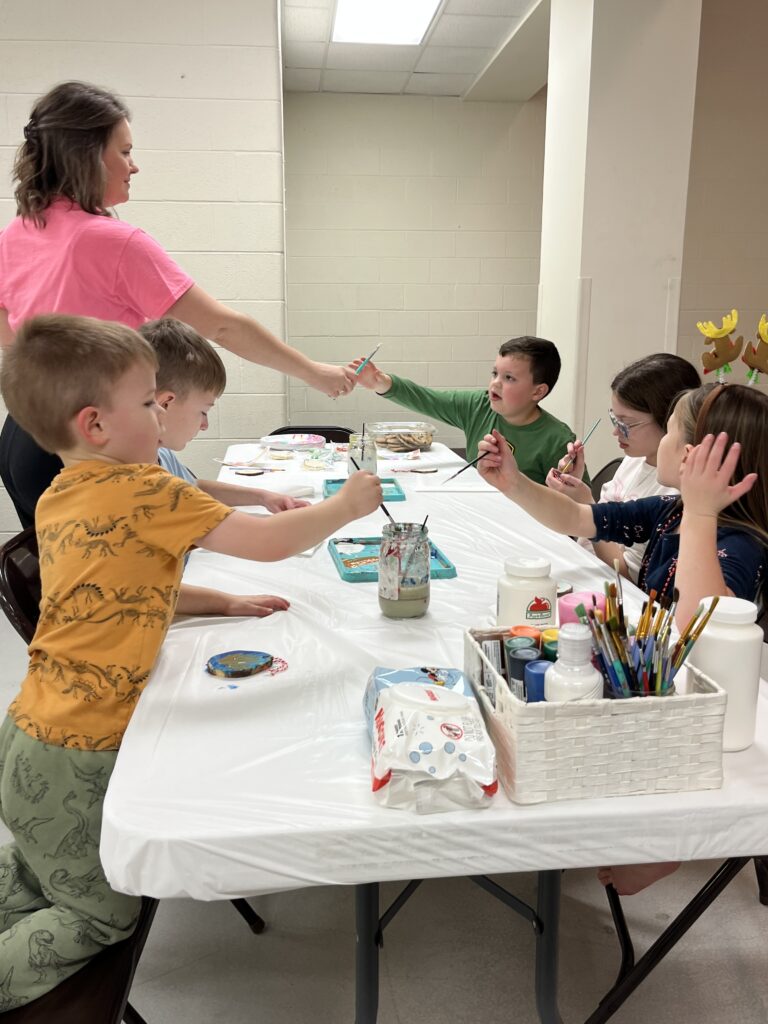
With the number of homeschool social groups, co-ops, organized sports, and community activities through places like the library available for homeschool families, there are a lot of social opportunities available to homeschoolers. Throw in gymnastics, Scouting, church youth group, drama club, and a standing weekly meet-up with another homeschool family that we love, and our kids stay pretty busy. It takes intention and planning, but it’s very doable.
I hope that helps! For more information about how special education homeschooling, click here.