

Coming from the public school system, I thought there were a handful of tried-and-true courses that I could choose from. But homeschool is a different animal. Not only are there hundreds of different curriculum to choose from, but there are also different homeschooling styles, different schedules, different teaching methods, different everything.
The good news is that all of these options allow for parents to cater specifically to each child’s needs. The bad news–choosing curriculum can be very stressful and can become expensive for a new homeschool parent. My homeschool style is a mix of traditional instruction, project-based and play-based learning with lots of real world lessons and life skills mixed in.
It’s good to know the laws.
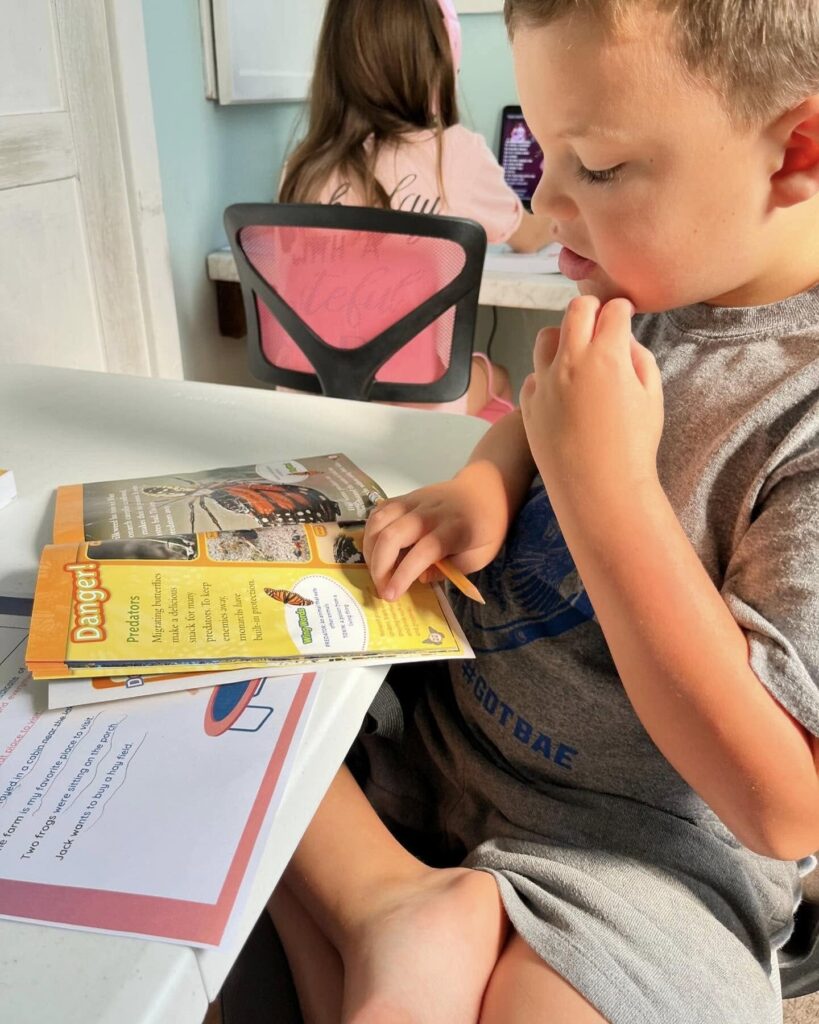
When it comes to homeschooling, always begin with the law. HSLDA is a great resource that provides the laws and requirements of each state. In Kentucky, I am required to teach reading, writing, spelling, grammar, history, math, science, and civics in the English language. I have to keep attendance, report cards and have to provide 170 days of instruction per school year. How I teach is completely up to me, so I have a lot of flexibility when it comes to methods and curriculum.

Mastery and understanding are more important to me than being on grade level, especially when it comes to neurodivergent kids. But I look at the state’s academic standards anyway as a general guide. Many of the homeschool parents that I know don’t even look at state standards.
Faith-based or secular
Last year, our curriculum was a mix of secular and faith-based. The decision to choose one over the other or both is personal to each family. For me, it was more about the instructional style, curriculum format and whether or not it was good fit for my kids. It’s not a priority for me for our religious beliefs to be woven into the kids’ homeschool curriculum, though it might be for other families. The beauty of homeschool is that you get to to choose.
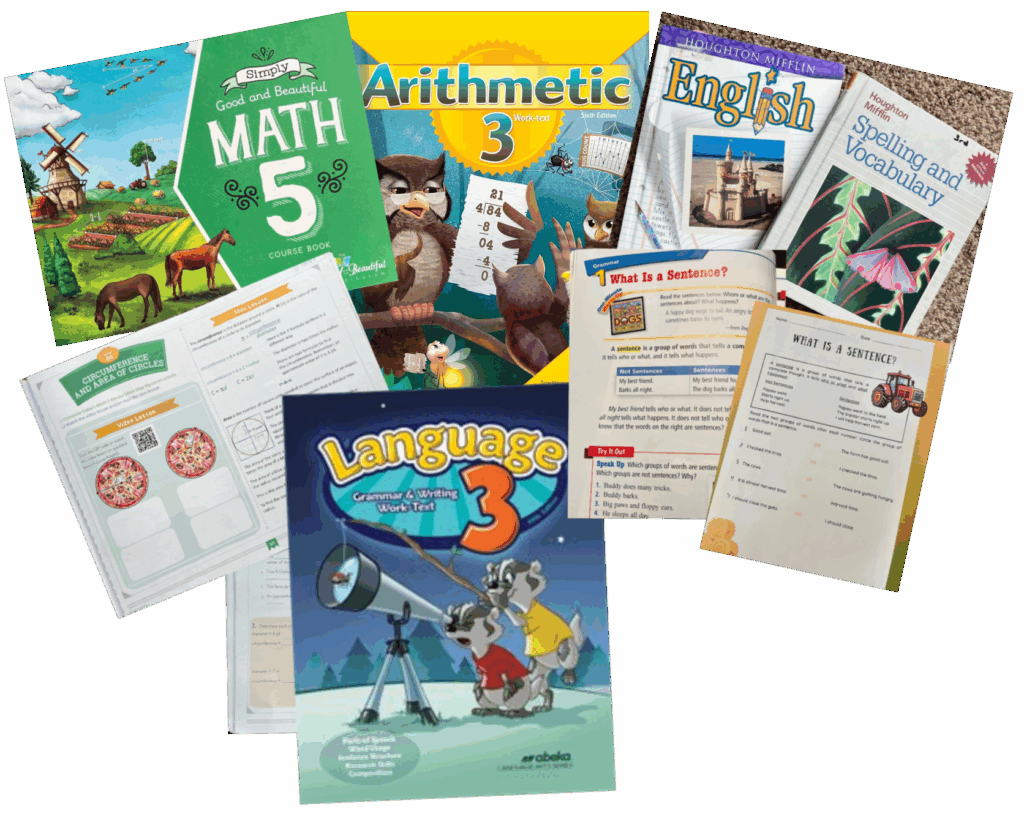
Curriculum can change year to year, and that’s ok.
Last year, we used the following:
The Good and The Beautiful Language Arts and Math–Grade 5 Christian
Abeka Math and Language Arts–Grade 3 Christian
Noeo Science–Grades 3-5 Christian (We stopped using this mid-year and switched to a bunch of different science resources. It’s a good curriculum, just a little more involved than we wanted to get. It’s considered a Christian curriculum, but there are no Christian or Biblical references.)
History Quest–Upper Elementary Secular (Well-written and a great open-and-go option. We quit using this one mid-year and switched to special interest history topics.)
LOTS of independent reading
I also used resources from Teachers Pay Teachers, old textbooks and activities I made up on my own to supplement. The curricula listed above is great quality, meets or exceeds common core standards and were easy to use.
This year looks a lot different. Now that I’ve gained some experience and confidence, I didn’t go with all open-and-go curriculum again. I’m doing mixed curriculum–a variety of different materials and resources that cater to each child’s learning style and special interests. You might have noticed that we don’t use hardly any online learning programs (occasionally the kids get on Blooket). Not to say that we won’t go with online programs at some point, but for right now, I’m a a big fan of hands on and paper and pencil learning
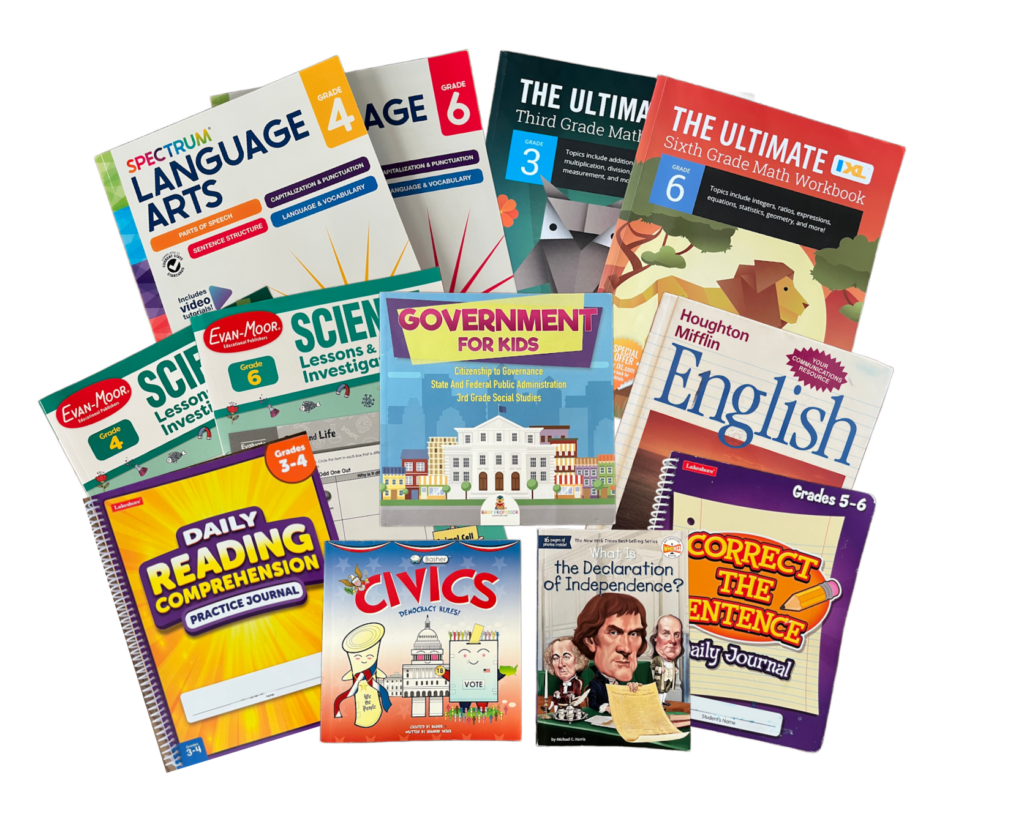
This year’s curriculum looks a little different. Over the summer, I spent a lot of time researching, asking other homeschool families, and making purchases and returns until I found what would be the best fit for each kid. Last year, I picked for them. This year, I involved them in the process. I’m so glad I did. Both kids are enjoying this year’s curriculum.
Math
IXL Math Complete Workbook Grade 3
IXL Math Complete Workbook Grade 6
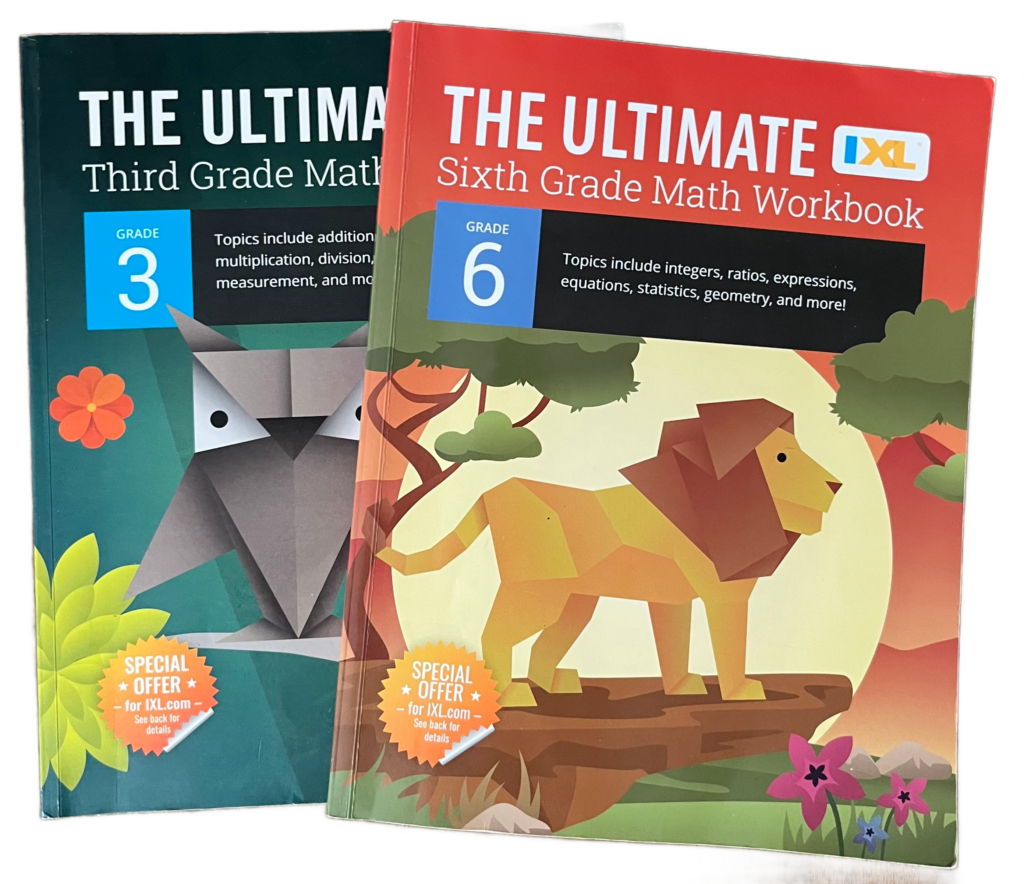
Hands down, IXL is my favorite math curriculum. We use the physical workbooks but you can use the website as well for additional practice. Lessons are straight-forward, relatively short and allow for lots of practice before moving on to the next concept.
We started with the 4th grade workbook for Jack this year, but it was overwhelming him. We switched to the 3rd grade workbook and it was perfect. He needed extra practice with the concepts he learned last year and we’ve been able to move through it quickly. This is one of my favorite things about homeschooling. We can adjust and adapt depending on what each child needs. The 6th grade workbook is perfect for Emmie–challenging enough to keep her engaged, but easy enough to keep from getting discouraged.
English/Language Arts
Lakeshore Learning Correct the Sentence Daily Journal-Grades 5-6
I love this little workbook for keeping grammar and punctuation skills sharp. Short and sweet daily challenges.
Lakeshore Learning Reading Comprehension Daily Practice Journal-Grades 3-4
One reading passage per week with short daily activities related to the passage each day. It’s great for kids with attention challenges.
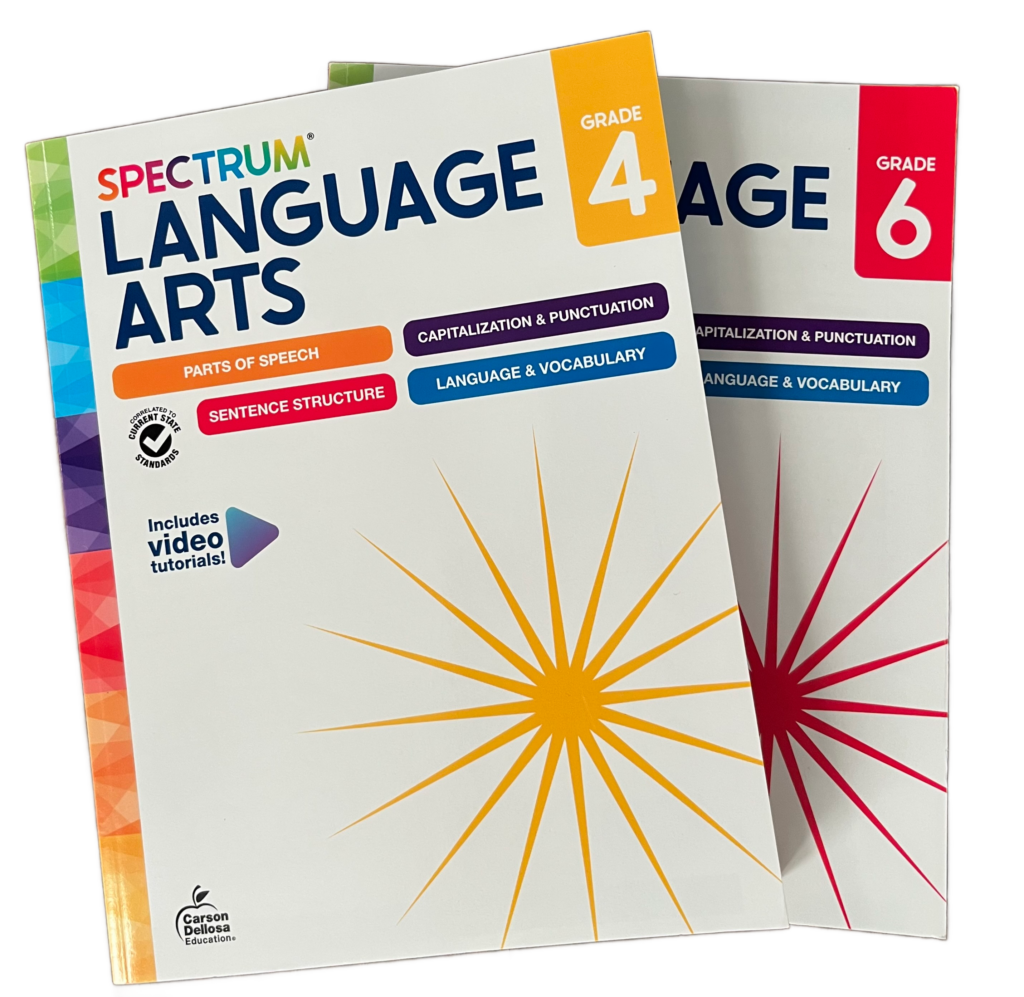
Spectrum Language Arts Grade 4
Spectrum Language Arts Grade 6
Spectrum is very straight-forward and easy to follow. It can get dry at times, but it covers the fundamentals and the lessons don’t take long to finish.
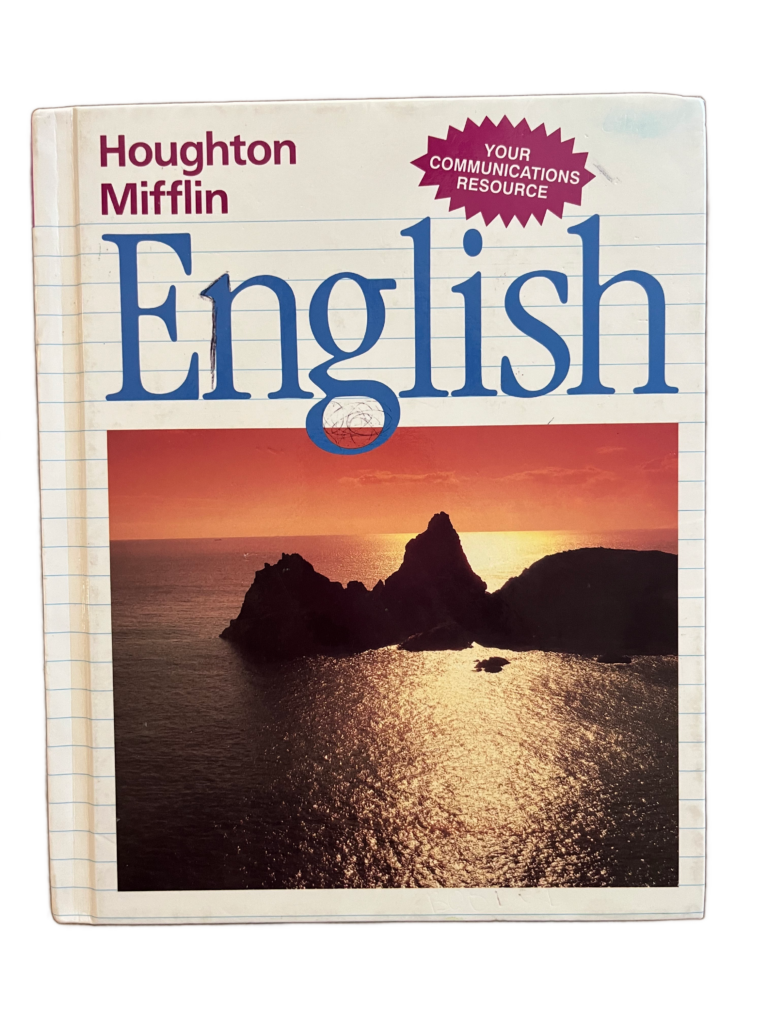
Houghton Mifflin English textbooks
I use these for reference and extra practice when needed. They’re just great books to have on hand. You can find them on eBay or ThriftBooks.
Social Studies
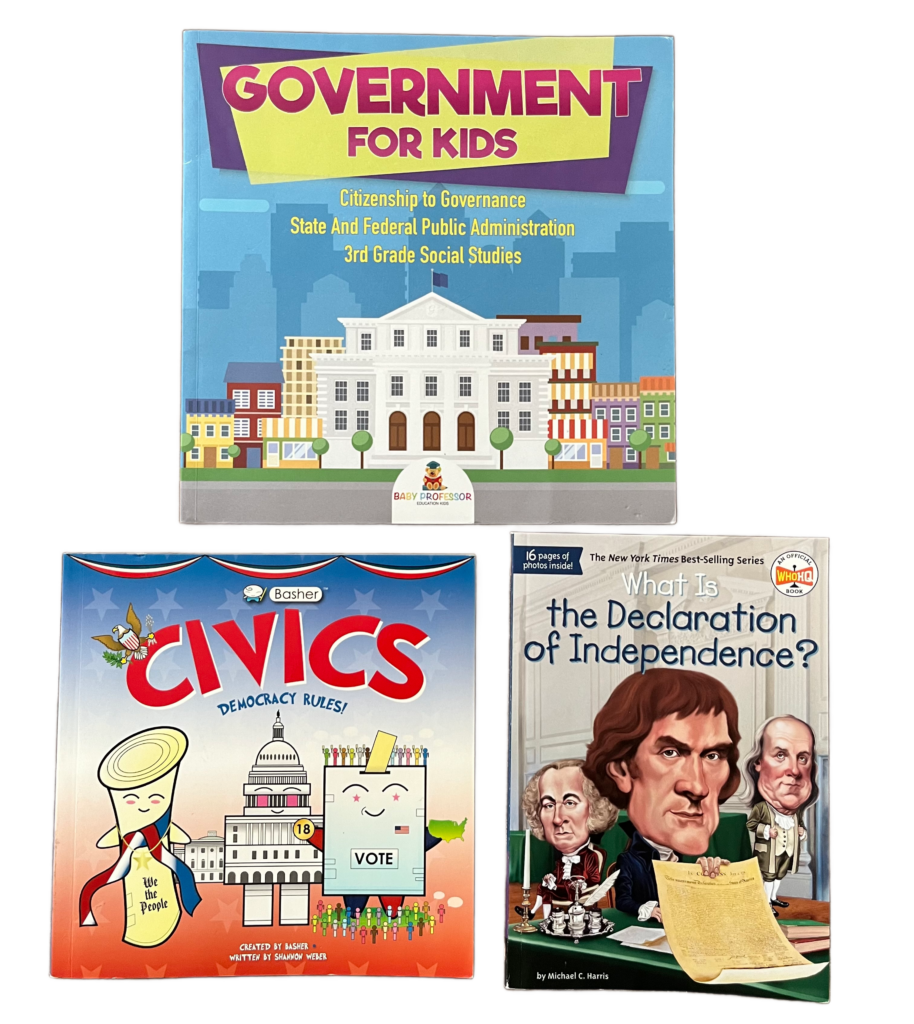
What Is the Declaration of Independence
All three of these books explain how the government works on an upper elementary level. Since US government is our focus this year, I wanted to make sure that I didn’t lose them in the weeds. All three books are illustrated and the content is broken down into manageable parts. We also watch movies, YouTube videos, play board games like Constitution Quest, and go on field trips.
Science
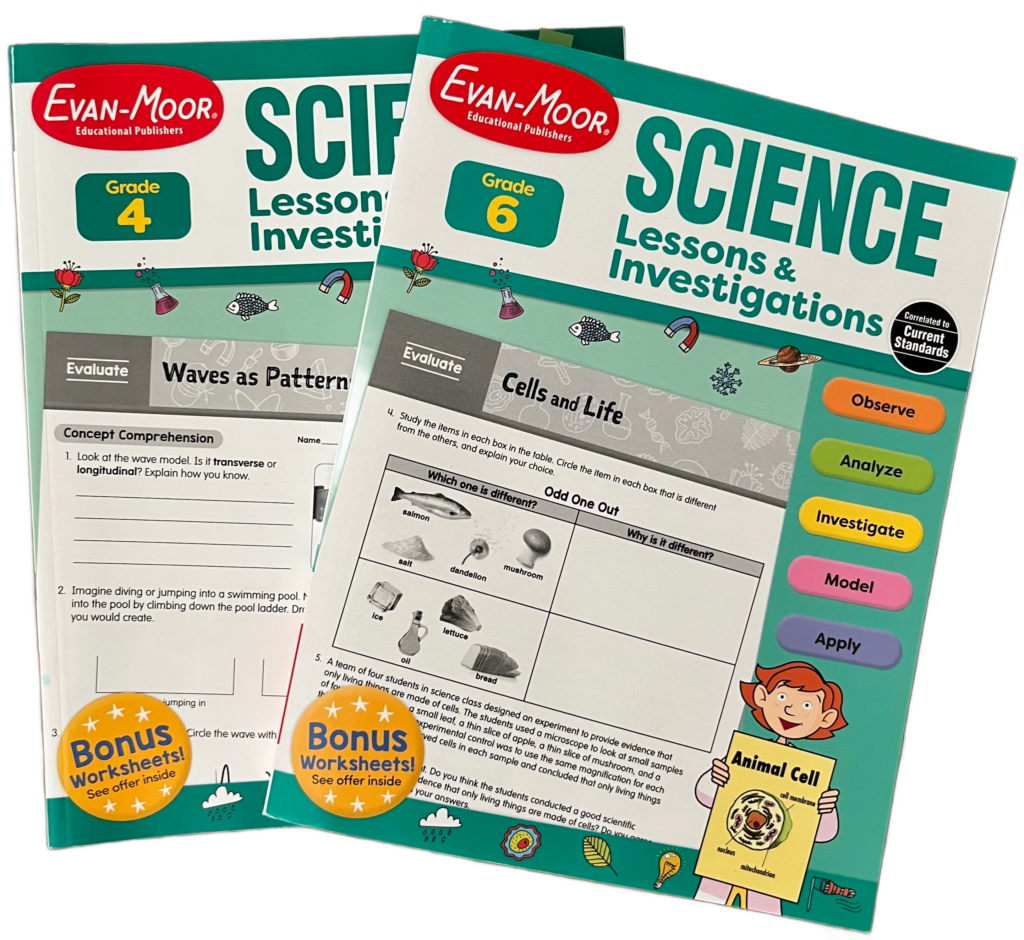
I have really enjoyed Evan Moor for science. Lessons combine reading, vocabulary and investigations/experiments. It was a great
LOTS of independent reading.
It’s not all about desk work.
Learning happens all the time, everywhere. It took most of our first year of homeschool for me to realize this. In fact, desk work takes up only a small part of our day. But the time we do spend on it, is spent with the right materials for each kid.
We also love board games and puzzles!
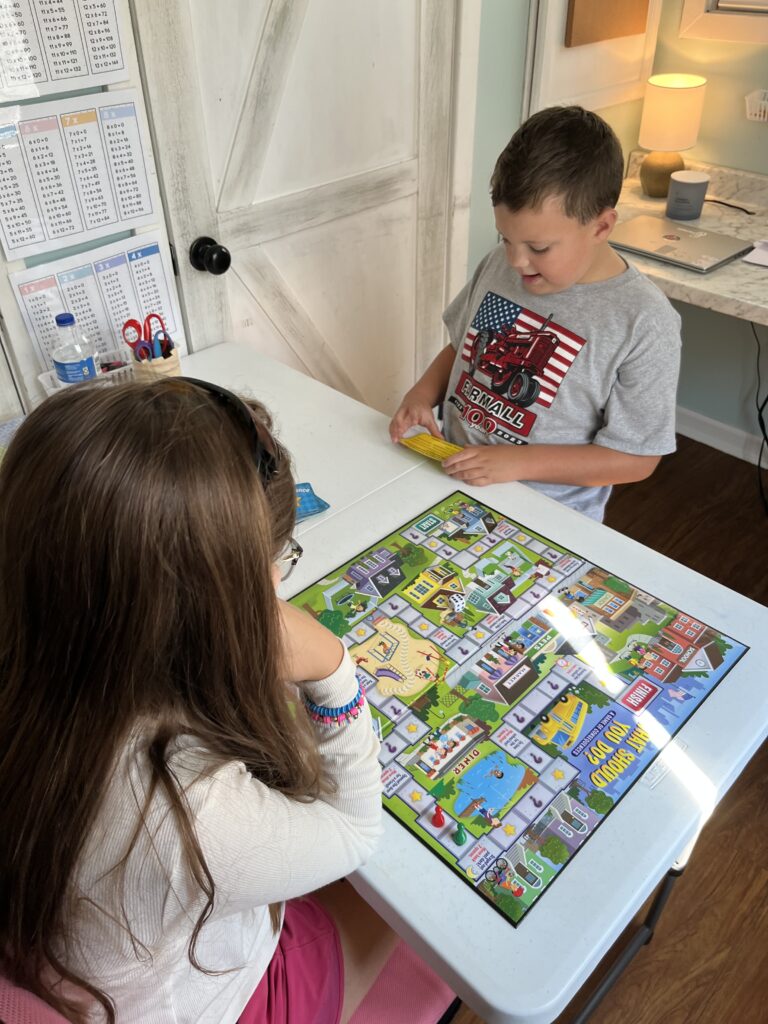
We like unit studies that deep dive into special interests and incorporate subjects like history, science and language arts into one, especially when book work is getting
And learning life skills are a must. Baking, cooking a meal, basic sewing, checking vehicle fluids, washing, drying and folding clothes, pressure washing, lawn care, etc…
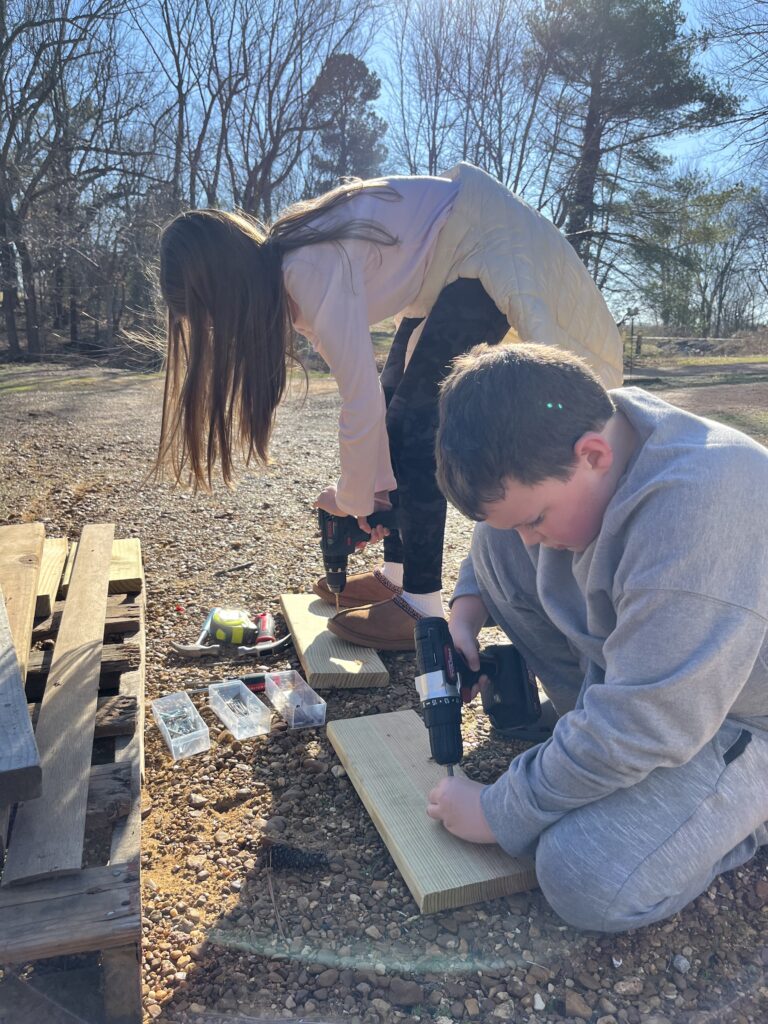
We also spend a LOT of time learning outside.
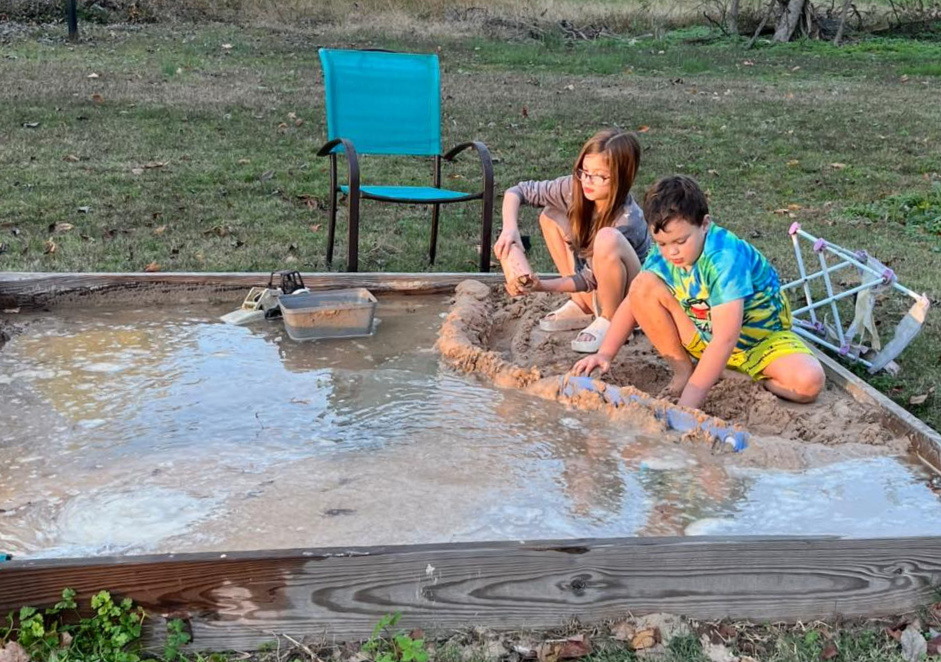
The best curriculum is what works for your family.
But if you’re looking for some direction to begin your search, I recommend asking other homeschool parents, joining Facebook homeschool groups, researching online and then trial and error. You really won’t know what works best for your child until you start.
Thinking about homeschooling? Need ideas for homeschooling multiple children or autistic children? Take a look at the Homeschool page!